Blog

  • High-Protein French Toast with Cottage Cheese

    High-Protein French Toast with Cottage Cheese

    A Healthy Twist on a Classic

    French toast doesn’t have to be a sugary breakfast. With a few smart swaps, you can turn it into a protein-packed meal that fuels your morning and keeps you full for longer. The secret? Cottage cheese.

    Why This Recipe Works

    Traditional French toast uses bread, eggs, and milk. This version blends cottage cheese with eggs to create a creamy, protein-rich batter. It keeps the inside soft and adds a boost of nutrition without needing protein powder.

    Benefits of this recipe:

    • High in protein for muscle repair and satiety
    • Lower in added sugar compared to classic versions
    • Quick and easy to prepare
    • Great for breakfast, post-workout, or even a healthy snack

    Ingredients You’ll Need

    • Whole grain or sourdough bread
    • Eggs
    • Cottage cheese
    • A splash of milk
    • Cinnamon and vanilla extract (optional, for flavour)

    How to Make It

    1. Blend cottage cheese, eggs, and milk until smooth.
    2. Dip slices of bread into the mixture, coating both sides.
    3. Cook on a lightly greased pan until golden brown on both sides.
    4. Serve with fresh fruit, a drizzle of honey, or a spoon of Greek yoghurt.

    Finishing Touches

    This high-protein French toast is a simple, balanced recipe that fits into any healthy eating plan. By adding cottage cheese, you get extra protein, creaminess, and flavour—without reaching for protein powders or supplements. Start your day with this recipe, and you’ll enjoy energy, satisfaction, and a classic dish made healthier.

  • Slash Your Type 2 Diabetes Risk by 31%—Eat Mediterranean, Move More

    Slash Your Type 2 Diabetes Risk by 31%—Eat Mediterranean, Move More

    A Simple Formula for Better Health

    Type 2 diabetes is on the rise, but new research shows a practical way to fight back. A large six-year study has revealed that following a calorie-controlled Mediterranean diet combined with regular exercise can cut your risk of developing type 2 diabetes by 31%. This approach focuses on real food and steady movement—no extreme dieting required.

    What the Study Found

    Researchers tracked nearly 4,700 adults aged 55–75 who were overweight or had metabolic risks. Those who followed a Mediterranean-style diet while exercising and receiving weight-management support were far less likely to develop diabetes compared to those who did not.

    Why the Mediterranean Diet Works

    The Mediterranean diet is packed with:

    • Fruits and vegetables
    • Legumes, nuts, and seeds
    • Whole grains
    • Extra-virgin olive oil

    It limits red meat, added sugar, and highly processed foods. This balance improves insulin sensitivity, reduces inflammation, and supports healthy blood sugar control.

    The Role of Exercise

    Exercise enhances the effect of diet by making your body more efficient at using insulin. Even moderate physical activity—such as walking, cycling, or light strength training—lowers diabetes risk. Combined with a balanced diet, it delivers powerful long-term benefits.

    Key Takeaways for Prevention

    • Choose mostly plant-based foods.
    • Use olive oil as your main fat source.
    • Keep red meat and sugary foods to a minimum.
    • Aim for regular, sustainable movement.
    • Consistency matters more than intensity.

    Final Word

    If you want a straightforward way to lower your chances of developing type 2 diabetes, adopt the Mediterranean diet and pair it with regular exercise. By eating more plants, healthy fats, and whole grains—and moving your body each day—you can protect your long-term health. This simple lifestyle shift doesn’t just reduce diabetes risk, it also improves heart health, weight management, and overall wellbeing.

  • Why Hydration Matters for Your Health

    Why Hydration Matters for Your Health

    Staying hydrated is one of the simplest ways to support your body. Water plays a role in nearly every function, from regulating temperature to carrying nutrients to your cells. Yet many people still don’t drink enough.

    Boosts Energy and Focus

    Mild dehydration can cause fatigue, headaches, and poor concentration. Drinking water regularly keeps your brain sharp and your body energised.

    Supports Digestion

    Water helps break down food and move it smoothly through your digestive system. It can also reduce bloating and prevent constipation.

    Aids Weight Management

    Sometimes thirst is mistaken for hunger. Drinking water before meals may reduce overeating and support healthy weight control.

    Keeps Skin Healthy

    Hydrated skin looks smoother and feels more supple. While water isn’t a cure for wrinkles, it helps maintain elasticity and overall skin health.

    How Much Do You Need?

    Aim for 6–8 glasses of water a day. Drink more during hot weather or exercise. Include hydrating foods like cucumber, melon, and leafy greens.

    Takeaway: Your body depends on water to function properly. Making hydration a daily priority is a simple step toward better health.

  • The Benefits of a Plant-Based Diet

    The Benefits of a Plant-Based Diet

    A plant-based diet is gaining attention for its role in improving health and reducing the risk of chronic illness. By focusing on fruits, vegetables, legumes, nuts, seeds, and whole grains, you can support both your body and long-term wellbeing.

    Nutrient-Rich Foods

    Plant-based meals are naturally rich in vitamins, minerals, and antioxidants. These nutrients strengthen your immune system, support brain function, and help fight inflammation.

    Weight Management

    Most plant-based foods are lower in calories and higher in fibre compared to animal products. Fibre keeps you fuller for longer, making it easier to manage weight without restrictive dieting.

    Heart Health

    Eating more plants reduces saturated fat and cholesterol intake. Studies show that plant-based diets can lower blood pressure and cut the risk of heart disease significantly.

    Lower Risk of Chronic Diseases

    Plant-based diets are linked to reduced chances of developing type 2 diabetes, certain cancers, and hypertension. The combination of fibre, phytonutrients, and healthy fats supports long-term protection.

    How to Get Started

    Replace one meal a day with a plant-based option. Add beans or lentils to stews and soups. Swap refined grains for whole grains like brown rice or quinoa. Use nuts and seeds as snacks or salad toppings.

    Takeaway: Shifting to a plant-based diet doesn’t mean giving up everything you enjoy. Small, consistent changes can improve your energy, weight, and overall health.

  • Healthy Diet with Arugula: Benefits and Easy Meal Ideas

    Healthy Diet with Arugula: Benefits and Easy Meal Ideas

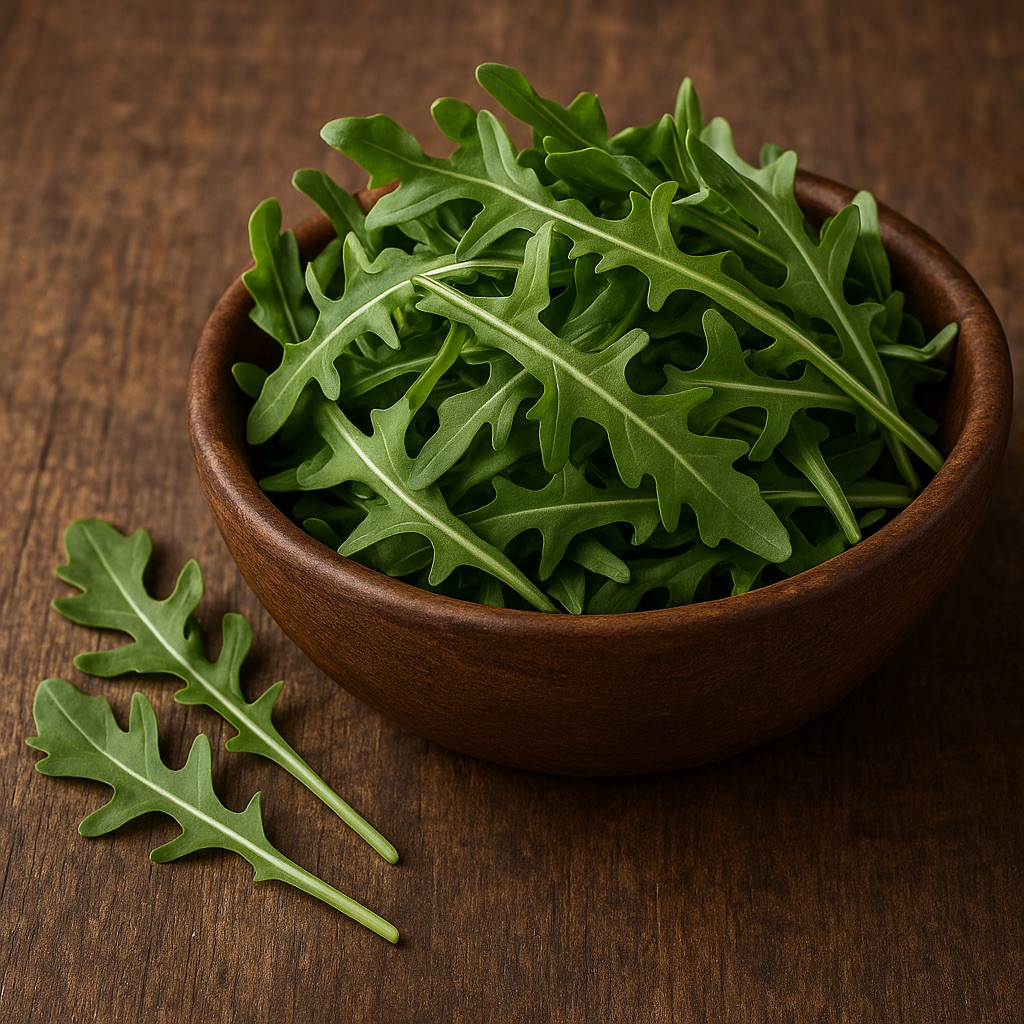
    Healthy Diet with Arugula

    Arugula is a nutrient-dense leafy green that brings a sharp, peppery flavour to your meals. It is light, refreshing and easy to include in everyday cooking.

    Nutritional Benefits of Arugula

    • Rich in vitamins A, C and K
    • Provides calcium, magnesium and potassium
    • Packed with antioxidants to protect cells
    • Contains fibre for healthy digestion

    How to Add Arugula to Your Meals

    • Use as a salad base
    • Add to sandwiches and wraps
    • Stir into pasta for extra flavour
    • Top freshly baked pizzas
    • Blend into smoothies with fruit

    Sample Daily Plan with Arugula

    Dinner: Grilled salmon, roasted vegetables and arugula salad

    Breakfast: Smoothie with banana, apple and arugula

    Lunch: Wholegrain wrap with chicken, hummus and arugula

    Snack: Mixed nuts and a small arugula salad